Why color tattoos change over time and when to review them
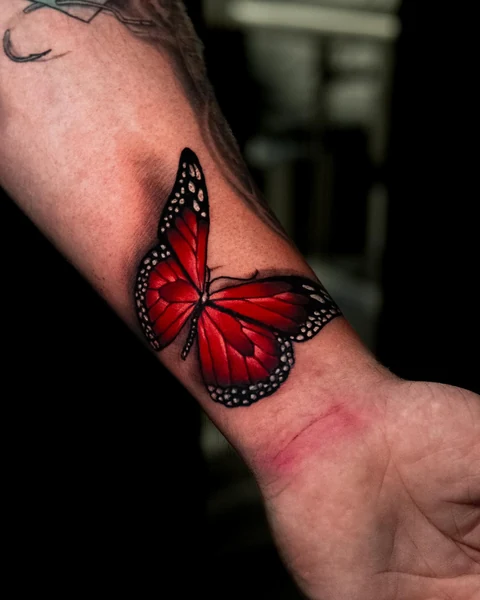
Tattoo color and contrast can change over time, but there is no universal expiry date for a palette. A useful review starts with the actual tattoo, its history and comparable photographs. A chart promising that every red, blue or yellow lasts a fixed number of years cannot describe an individual piece.
Sun exposure is one factor
AAD notes that ultraviolet light can fade some inks. This supports protecting healed tattooed skin, but does not predict an exact lifespan for a color. American Academy of Dermatology: caring for tattooed skin. Use the sun protection guide for that routine.
Do pigment measurements show how much a tattoo has visibly faded?
They answer a different question. In a 2011 human-skin study, Lehner and colleagues attempted to measure red pigments in nine tattooed skin specimens. They identified and quantified the pigments in five, then compared the concentrations with a reported range for newly tattooed skin. Their estimate concerned pigment concentration. It was not a percentage score for how much a photographed design had lost its brightness. Lehner and colleagues: original authors’ abstract.
That small red-pigment study does not supply a lifespan for every red ink, compare every color, or tell you when a particular portrait will need attention. A chemical measurement and a judgment about a face’s readability are different kinds of evidence. The distinction also helps separate why pigment can persist in skin from whether the image looks unchanged.
What does a sunlight experiment in mice tell us?
Engel and colleagues studied Pigment Red 22 in tattooed SKH-1 mice. Their report, published in the January 2010 journal issue, describes reduced pigment after exposure to a solar radiation simulator for 32 days. It also studied laser exposure separately. This supports investigating light-induced changes under the conditions tested. Engel and colleagues: original authors’ abstract.
It does not turn 32 experimental days into a number of summers on a person’s forearm. The species, pigment and exposure conditions matter. Nor is a laser experiment interchangeable with ordinary outdoor exposure. These findings do not establish which modern palette will fade fastest or a safe way to lighten a tattoo at home.
For practical care, use the AAD’s sun-protection guidance and the healed-tattoo sun guide above. Deliberately exposing a tattoo to sun or tanning equipment is not a substitute for discussing unwanted ink with a qualified medical professional. AAD warns that tanning devices can damage skin and may cause a painful reaction in tattooed areas. AAD guidance.
How should I judge a claim that a color lasts ten years?
Ask what was actually recorded before treating a number as a promise:
- The same tattoo: Does the comparison identify the original work and both photograph dates?
- The intervening work: Were touch-ups or extra sessions recorded?
- The viewing conditions: Are the light, angle and editing comparable?
- The claim’s scope: Is it one documented example, an animal experiment, a pigment measurement or a claim about all tattoos?
One dated example can show what happened to that piece. A pigment experiment can answer a narrower material question. Neither alone guarantees the future of your palette. For a detailed color tattoo or microrealism project, discuss which features need to remain distinct at the intended size; the size-and-detail guide develops that design decision. This is an evidence check, not a ranking of artists or ink brands.
What has changed in the design?
Look at the relationship between elements. Is a face still distinct from its background? Are two neighboring petals harder to separate? Does a light accent look different only in one photograph? Describe the area you notice instead of reducing the whole piece to “faded.”
For a pet portrait, the shape of the eyes and the separation between dark fur and lighter markings may matter more to you than one decorative flower. Those priorities help define the conversation about the image.
Compare the record before choosing a correction
Find the original image and a recent photograph in similar light. Note any additional sessions. A heavily filtered fresh picture is a poor reference for deciding exactly what needs changing. The fresh-versus-healed photo guide explains a fairer comparison.
When should I discuss a touch-up?
Let the tattoo heal before requesting an aesthetic assessment. Send a clear current photo, the date of the work and the specific area you would like reviewed. William can discuss whether an adjustment fits the design and what the scope would be. Timing, price and any touch-up policy need individual confirmation.
A new rash, raised area or painful skin change is a healthcare question before it is a color correction. Follow the medical guidance rather than trying to hide the change with more ink.
Research summary and limits
Light exposure can affect some tattoo pigments, but the studies discussed here do not establish a universal timetable for visible fading or touch-ups. Keep the photographic record, the design question and the skin-health question separate.
Sources reviewed October 16, 2026. This update compares AAD public guidance with the original authors’ abstracts for the human-skin study published online February 23, 2011, and the mouse study published online August 23, 2009, in the January 2010 issue. The full study texts were not reviewed. The AAD page showed no article-specific review date in the inspected content. This focused reading is not a systematic review, an individual diagnosis or a medical review attributed to William Martz.
Share your tattoo idea with William in Tulsa. Include the placement, approximate size and a clear reference. Sharing an idea starts a conversation; it does not confirm an appointment.