Fresh and healed tattoo photos answer different questions
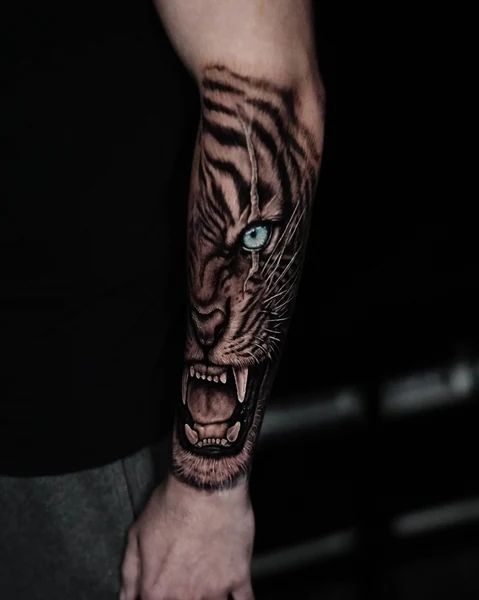
A fresh tattoo photograph records the work at the end of a procedure. A healed photograph records it at a later stage. Both can be useful, but they should not be treated as interchangeable evidence of how the tattoo will appear throughout its life.
The difference begins with timing and continues with the conditions of the photograph. Skin appearance, lighting, camera settings and presentation all affect what the viewer sees. A fair comparison asks what changed between the images before assigning every visible difference to the tattoo itself.
A fresh photograph includes the immediate skin response
The FDA notes that redness, swelling or warmth may be noticed after tattooing. Those observations help explain why the skin surrounding a fresh tattoo may differ from its appearance later. They do not allow a viewer to decide from a photograph that a particular reaction is harmless. The same FDA guidance directs people to a health professional when a tattoo does not appear to be healing or develops a concerning rash, especially with fever. FDA tattoo safety guidance.
For visual documentation, this means that the immediate photograph contains more than the intended composition. It also records the body at a particular moment. Calling that image “fresh” supplies information the picture cannot reliably provide on its own.
A healed photograph needs context too
“Healed” is a useful description, but it is not a date. An image labeled that way could have been made at very different intervals after the appointment. A stated photograph date, or a clear interval when known, gives the viewer a better sense of what is being shown.
That context also matters when work has been added or adjusted between photographs. A later image may document more than the passage of time. An honest caption can make the distinction without turning the photograph into a lengthy technical report.
The aim is to describe the record accurately, not to force every tattoo into a single timetable or to infer medical readiness from its appearance online.
The camera can create part of the difference
White balance changes how a camera renders the color of the light. Nikon's explanation shows why a subject can appear warmer or cooler under different lighting and settings. That matters when two tattoo photographs are presented as a comparison. Nikon on white balance.
If the earlier picture uses dramatic light and the later one uses flat room light, their visual contrast is not a clean measure of aging. Similar framing, angle and lighting make differences easier to interpret. This is a principle of photographic comparison rather than a guarantee that every variable can be controlled.
A portfolio becomes stronger with a visible timeline
Fresh photographs can show the completed arrangement and the details the artist wants to document. Later photographs add evidence about the work beyond that first moment. Their value increases when the captions distinguish the stages and the images remain comparable.
Neither stage needs to replace the other. Together, they can give the viewer a more complete record. What they cannot provide is a diagnosis, a universal durability promise or certainty about every future change in the skin. A photograph becomes more useful when its limits are part of how it is presented.