Tattoo photography: what lighting and filters change
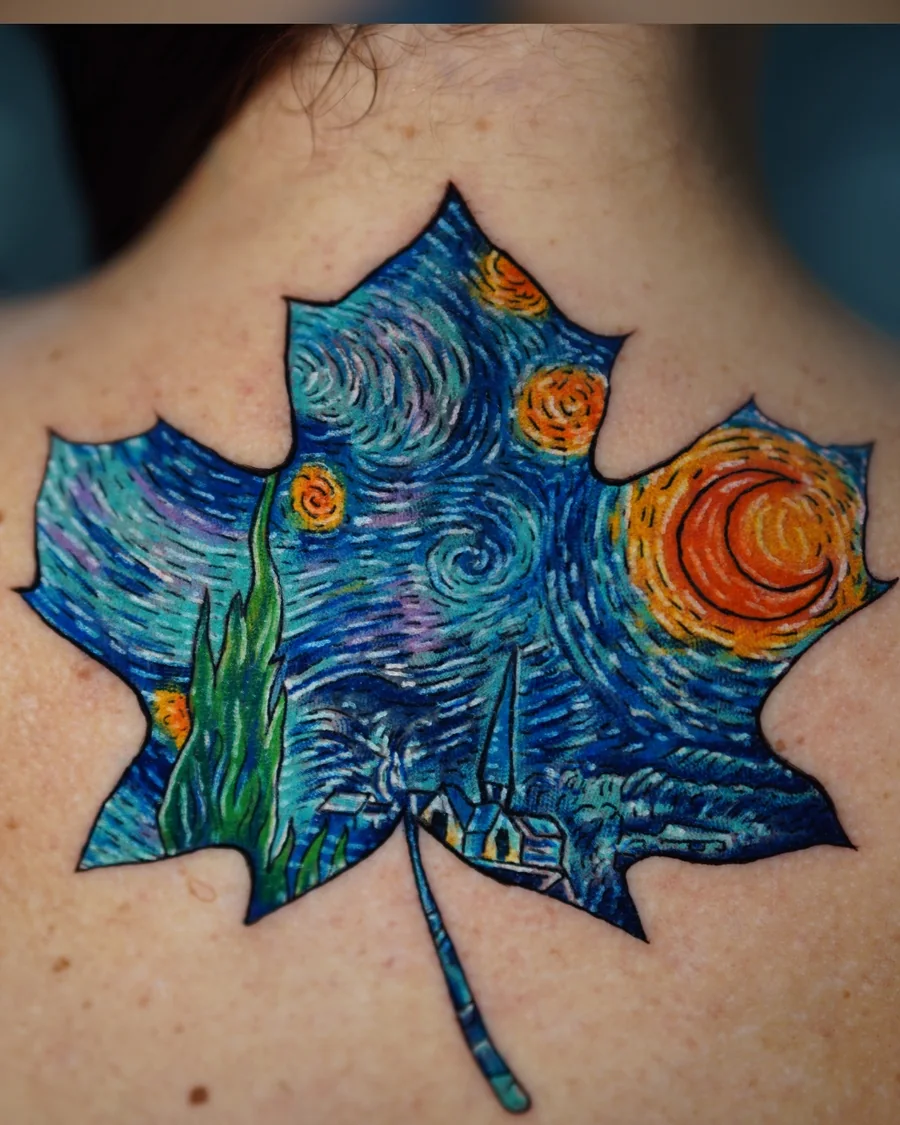
A tattoo photograph is an image of an artwork under particular conditions. The light, camera position and processing all influence the result. Understanding those influences makes it easier to appreciate a strong photograph while still asking what it demonstrates about the tattoo.
There is no neutral view from nowhere. Even deciding where to stand determines which part of a curved surface becomes visible. Honest representation comes from making useful choices and avoiding claims the photograph cannot support, rather than pretending that a camera simply records everything without interpretation.
Light changes the color the camera receives
White balance compensates for the color of illumination. Nikon describes automatic and selected settings that can change how warm or cool a scene appears. A tattoo photographed beneath one kind of light can therefore look different when photographed beneath another, even without a change to the tattoo itself. Nikon's explanation of white balance.
That does not mean every warm photograph is false or every cool photograph is more accurate. The relevant question is what the image is meant to communicate. A mood-driven portrait and a close visual record may legitimately have different aims, provided one is not presented as proof of something it cannot establish.
Polarization affects reflections
An optical polarizing filter is different from a social-media color preset. Nikon explains that a polarizer can reduce reflections and, as a result, often increase apparent color saturation. The change can occur while the picture is being captured, before any software edit. Nikon on polarizing filters.
For tattoo photography, the implication is that reduced surface reflection can change how clearly the color underneath is presented. That is an application of the optical principle, not proof that any particular photographer used a polarizer. Strong saturation alone cannot identify the equipment or processing behind an image.
A picture can clarify the work or reshape the claim
Cropping can remove distracting surroundings. It can also conceal the relationship between a tattoo and the rest of the body. A close view can reveal small marks while giving little information about overall placement. These are differences in evidence, even when no pixel inside the tattoo has been altered.
An editorially useful presentation can pair a detailed view with a wider one. The close image shows texture; the wider image shows proportion and location. Describing a photograph as fresh, healed or a design mockup provides further context without requiring the viewer to guess.
Changing the actual tattoo within a photograph would raise a different issue from controlling the lighting. A presentation should not imply that invented or removed marks are documented tattoo work. That is a standard of honest description, not an accusation about any artist's portfolio.
Comparisons need more than matching subjects
Two tattoo photographs can be equally attractive and still be poor evidence for a comparison of color or contrast. A dramatic spotlight, a different camera angle or changed white balance can affect the reading before artistic differences are considered.
The most useful response is careful interpretation. A photograph can show a striking composition, but a second angle or a clearly labeled later image may answer a different question. Recognizing that distinction protects the value of photography: it allows the image to be expressive without asking it to prove more than it records.