From Saved Images to an Original Tattoo Design
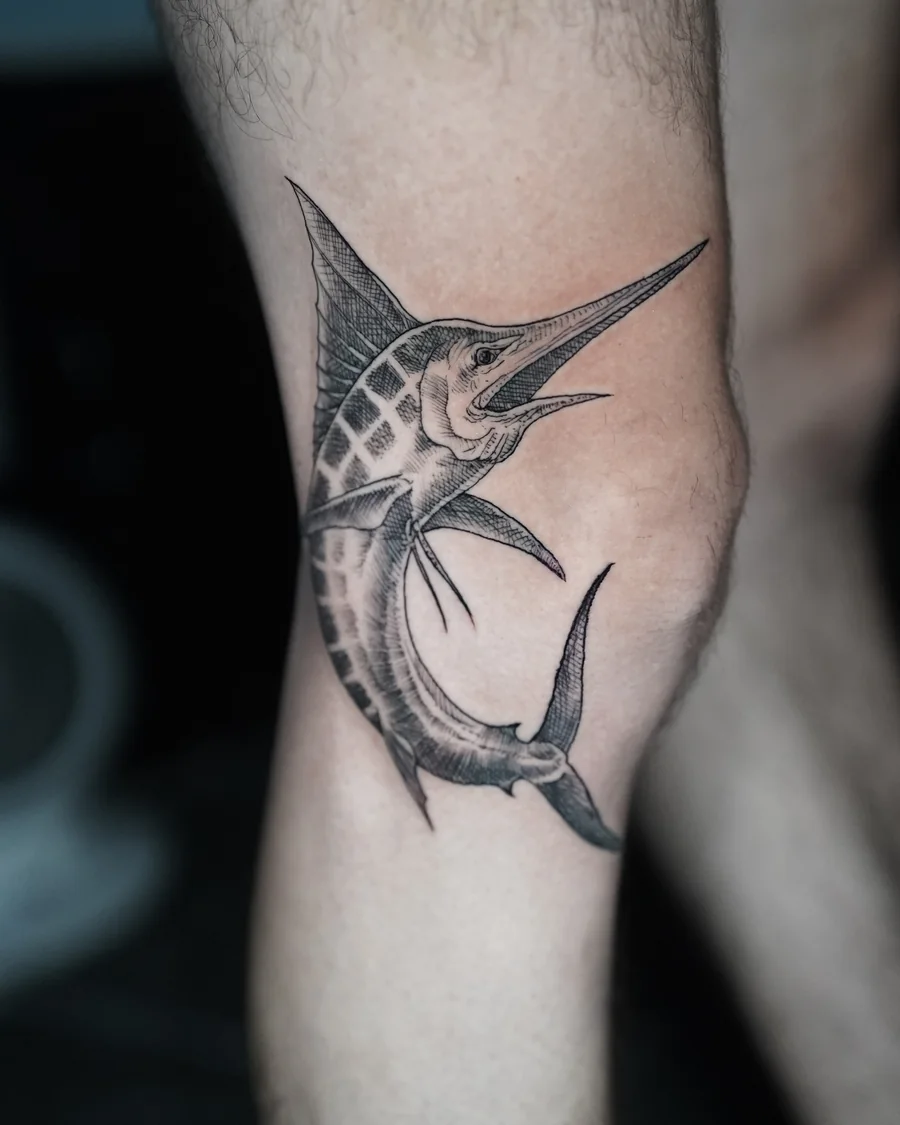
Use saved images to explain what you want a tattoo to communicate, then give each reference a specific job. One photograph may show the subject, another a color relationship and another the amount of open space you like. A useful reference collection helps a new composition take shape instead of treating someone else’s finished tattoo as a template.
Sort the images by what they contribute
Begin with a small selection you can explain. For each image, finish the sentence “I like this because…” The answer might be the animal’s pose, the loose arrangement of flowers, the limited palette or the way a tall composition follows an arm.
Separate those observations from details you do not want. A client might like the movement of a bird tattoo while preferring a different species and no lettering. Stating that clearly keeps a visually striking reference from silently deciding the whole project.
Build a brief before building a collage
- Subject: what should the tattoo show?
- Priority: which feature, feeling or relationship matters most?
- Placement: where will it go, and what space is available?
- Appearance: do you prefer color, black and grey, a dense scene or a more open arrangement?
- Flexibility: which elements can change during design?
This can be a few sentences. You do not need to produce a finished drawing. A crowded collage can imply that every reference must be included, even when you only intended to communicate a general direction.
Keep the source with the image
Save the original page or artist’s name alongside a screenshot when available. That retains context about who created the work and what the image actually shows. Your own photographs are particularly useful when the subject is a pet, a person or a place you know.
A source credit does not by itself establish permission to reproduce an artwork. If you want an exact image, raise that request explicitly so any necessary permission can be addressed. This guide focuses on developing a new composition rather than making legal assumptions about a reference.
How should you use an AI-generated image?
Label it as a generated concept and explain which parts interest you. It may suggest a mood or arrangement, but it is not evidence of a tattoo already executed on skin. Check anatomy, lettering, repeated details and the way the proposed composition fits the body.
For a portrait, keep real reference photographs available. Generated or reconstructed facial detail should not quietly replace the features of the person or animal you want to recognize. The AI reference review guide explores that conversation further.
Set the brief before asking for more AI versions
Before generating another tattoo image, decide what the next version is supposed to resolve. Choose the main subject, the role of any supporting motif and the question you still need answered. Otherwise, each new request can become another required object, and the image grows while the original decision remains unsettled.
Give each selected reference a job
Select images for the information they contribute. A wolf photograph might establish the expression; a plant photograph might clarify the branch; a tattoo photograph might help explain a contrast you like. Those are three reference images, not an instruction to create three equally prominent subjects.
Put a short note beside each selection. “Expression only” is more useful than silently importing the photograph’s entire background. If two pictures explain the same quality, choose the clearer one. Victims of Ink’s guidance on AI references also asks readers to explain what attracts them to an image and treats it as material for a design conversation.
Compare a list of objects with a visual brief
Consider this hypothetical request: “A wolf, a forest, mountains, a moon, a compass, roses and a date, all clearly visible.” It names things but gives no reason for one to lead. A generator can produce an attractive arrangement without resolving that conflict.
Explore a black-and-gray concept for a detailed medium or large upper-arm tattoo. The wolf’s expression should lead. One pine branch is the supporting motif and should leave the expression unobstructed. A woodland atmosphere can inform the light and dark areas; it does not require a separate forest scene. Do not add a moon, compass, roses or lettering. Show the relationship of the main shapes. Placement and final design remain for discussion with the tattoo artist.
The branch is a subject; the woodland atmosphere is a visual direction. Separating those roles prevents every descriptive word from becoming another object. If the date is essential, put it back into the written requirements and ask how it changes the project. Do not quietly squeeze it into a remaining gap.
Close one decision before reopening another
Once the chosen subjects are clear, hold that selection steady while comparing arrangements. A useful next request might move the supporting branch to the other side while preserving the wolf as the focus. Adding a mountain at the same time would make it harder to tell which change helped.
This pause is a working agreement with yourself, not a restriction on the artist. Write down why the selected version answers the brief. If a new symbol matters enough to change that answer, deliberately revise the brief and reconsider the whole composition. The custom design article discusses how subjects become a composition.
For the artist: identify what the client is communicating
A generated reference is not automatically a poor starting point, and an image found online is not automatically a useful one. Ask which relationship, expression or atmosphere the client is trying to show. That answer can reveal a clear intention inside an awkward image.
Evaluate the information each source actually supplies. A real subject photograph can establish a likeness; a drawing, finished tattoo photograph or generated concept offers different evidence. Understanding the request does not require accepting its exact arrangement or promising to reproduce it.
Choose which versions to bring
Share the selected references, the brief and a note explaining the unresolved choice. Include an earlier version if it shows a specific alternative worth discussing. More versions are useful when they clarify a decision, rather than simply enlarging the folder.
William’s design is developed with the client on the tattoo day. Preparing a brief does not require a finished drawing or include a design sent ahead of the appointment. For checking an image already generated, continue with the AI reference review guide.
Reviewed October 14, 2026. Artistic guidance informed by primary studio commentary.
Leave room for the design to make its own decisions
Changing one accessory or mirroring another tattoo can leave its original composition largely intact. A stronger brief explains the desired subject and visual qualities while allowing a new arrangement of shapes, emphasis and spacing.
Bring your references to William with a placement photo and approximate dimensions. The aim is a design that responds to your subject and your body, with a clear reason for the details it includes.
Discuss your tattoo idea with William Martz in Tulsa. Include a clear reference, the placement and approximate size. Sending an idea starts a conversation; it does not confirm an appointment.