Tattooing and Permanent Makeup: Why Oklahoma Uses Different Licenses
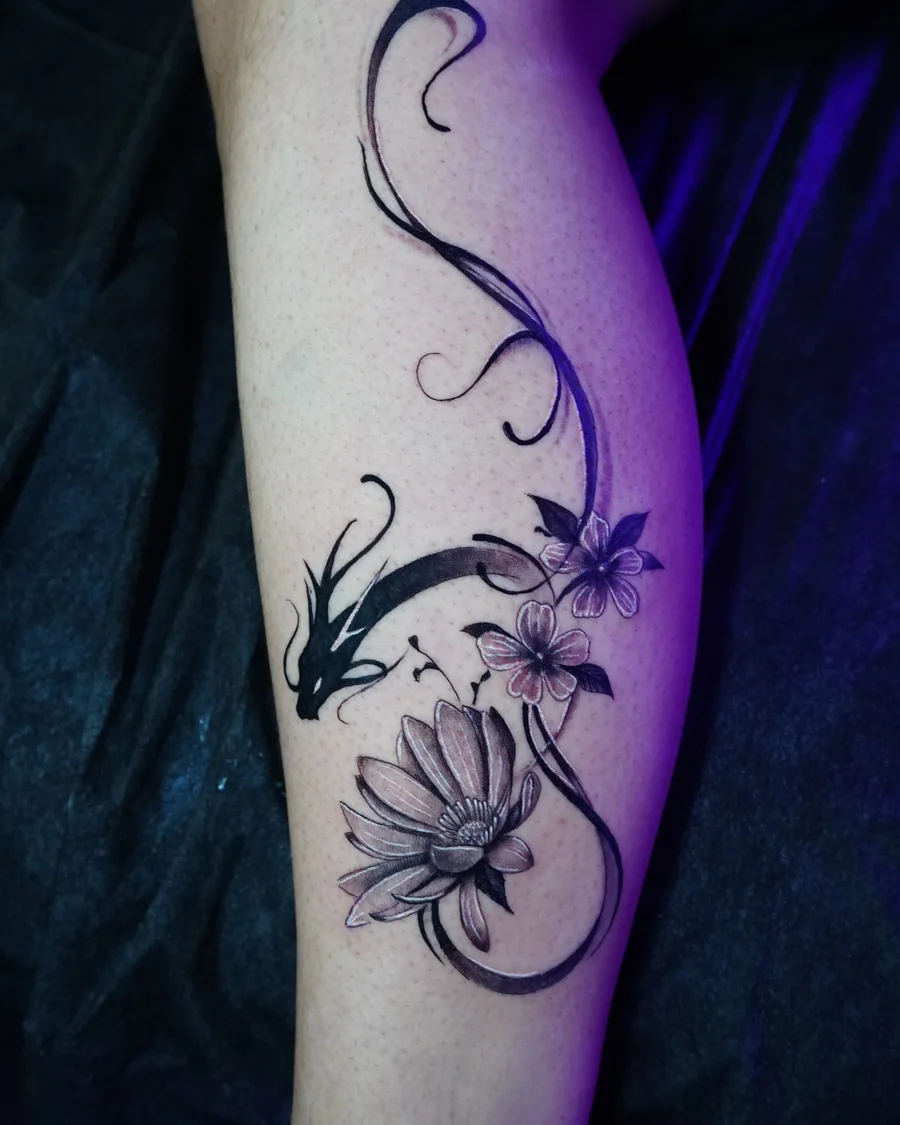
Tattooing and permanent makeup can look related because both may involve placing pigment in skin. That visual similarity does not mean Oklahoma treats every procedure as the same licensed practice.
For a Tulsa client, the distinction matters when comparing a decorative tattoo, cosmetic work or a procedure described as medical micropigmentation. The right question is not only which tool is being used, but which service is being performed and which qualifications govern it.
The tattoo rules contain an explicit boundary
The definitions in Chapter 233 exclude medical micropigmentation performed under the Oklahoma Medical Micropigmentation Regulation Act from the chapter's definition of tattooing. This creates a legal distinction even where the visual description of putting pigment into skin sounds similar.
An ordinary tattoo artist license should therefore not be presented as universal authorization for every pigment-related service. Likewise, a cosmetic or medical title does not by itself establish authorization for every form of decorative tattooing.
Micropigmentation has its own entry requirements
The OSDH medical-micropigmentation guide describes a separate licensing process. Its eligibility requirements include being at least twenty-one, holding a high-school diploma or GED, a background check, department-approved training, and written and skills examinations.
That is a different application framework from the ordinary tattoo-artist category. Comparing the requirements shows why it is inaccurate to describe one as simply a marketing name for the other.
The regulator also provides separate statutes and administrative rules for micropigmentation. Questions about the scope of a proposed procedure should be checked against that framework, rather than answered from a tattoo-studio license alone.
Similar equipment does not settle professional scope
A machine or needle does not determine all of the responsibilities attached to a service. The intended procedure, the regulatory definition, the practitioner's qualifications and any applicable medical oversight are the relevant issues.
For example, a client should not infer that an artist offers a specialized cosmetic service merely because the portfolio contains careful linework. Artistic precision can be relevant to many disciplines; it does not erase differences in training or authorization.
Ask about the actual service
Useful questions concern the practitioner's exact license, the procedure being proposed and the applicable professional setting. If an explanation relies entirely on an ambiguous phrase such as “it's all the same thing,” the licensing distinction has not been answered.
The OSDH program page provides the current contact route for clarification. It is a better source for scope questions than trying to interpret a certificate photographed in an advertisement without its context.
William Martz's Journal discusses these distinctions as part of understanding tattoo culture and professional practice in Tulsa. This article does not advertise micropigmentation or medical treatment as a William Martz service. The creative world of pigment is broad; clear language helps people choose the right professional for the specific work they actually want.