How Tattoo Studio Complaints Work in Oklahoma
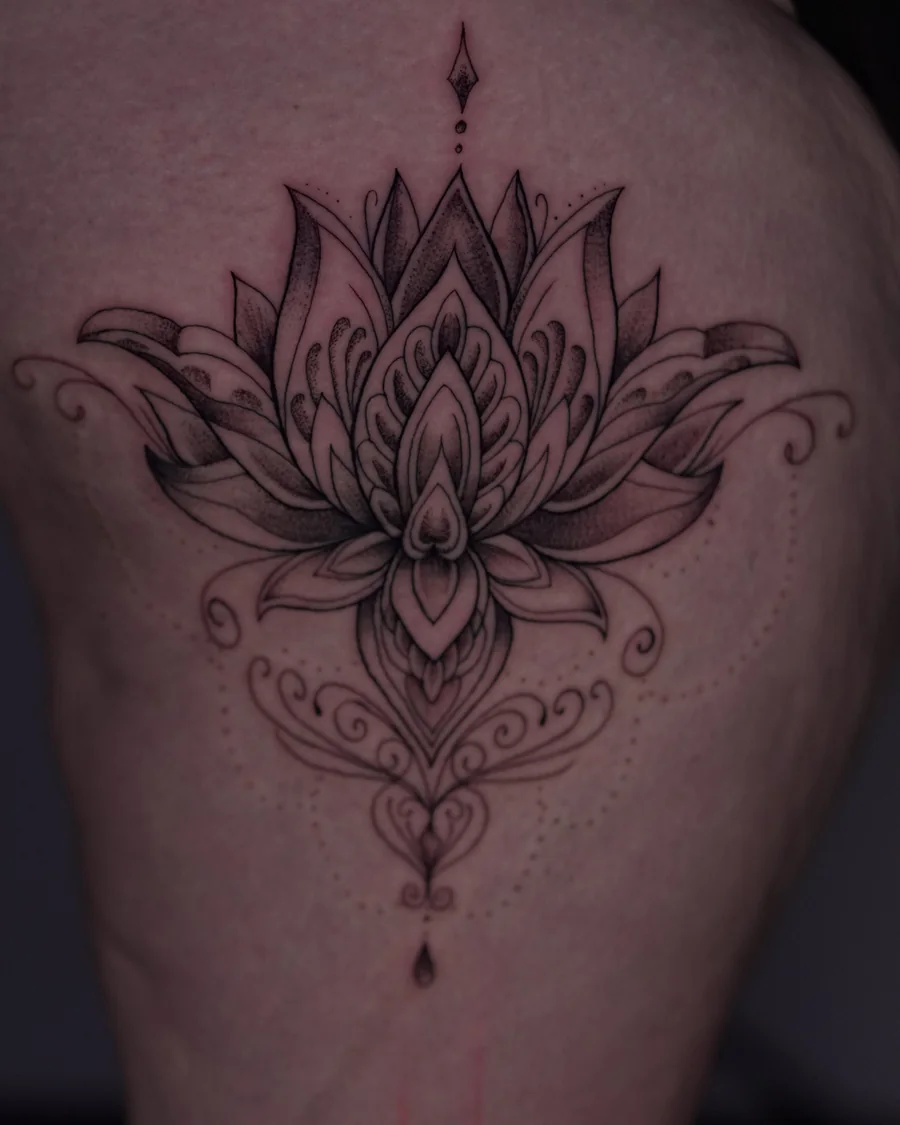
A concern about a tattoo can involve several different problems: a possible infection, a licensing issue, a hygiene practice or dissatisfaction with the finished design. Calling all of them a “bad tattoo” makes it harder to identify the next useful step.
In Oklahoma, the OSDH body-art program is the relevant state program for tattoo licensing and regulated operating requirements. A regulator's role is different from a clinician's role and different again from a conversation about artistic expectations.
First identify the kind of concern
If the concern is about symptoms or a possible medical complication, a review or complaint is not a substitute for healthcare. Oklahoma's aftercare rule, 310:233-3-7.1, requires instructions addressing infection risk and seeking a physician at the first sign of infection.
If the concern is that an artist or location lacks the required license, or that a particular operating practice conflicts with the rules, the regulatory question is more specific. Describe the practice and the setting rather than trying to diagnose the entire business from a single impression.
Concrete information is more useful than a label
The establishment's name and address, the date, the artist's name if known, and a factual description help identify what happened. Preserve your own appointment records and relevant communications. Distinguish what you directly observed from what someone else told you.
For example, “I saw this item used in these circumstances” gives a reviewer something to assess. “The shop must be unsafe because I disliked the result” combines an artistic judgment with a different claim that still needs evidence.
Avoid putting private medical details or another client's identifying information into a public post. The official contact route is the better place to ask how sensitive supporting material should be submitted.
What the rules allow the agency to examine
Chapter 233, subchapter 11 addresses compliance, violations and enforcement. Other sections establish the requirements against which a concern can be considered: identity and consent, recordkeeping, sanitation, equipment and facilities.
A complaint is information for review. It is not, by itself, proof that a violation occurred or a promise of a particular outcome. The agency may need facts that a public photograph or secondhand account cannot provide.
Design disagreements follow a different conversation
A mismatch over size, placement, color or expectations may need discussion with the artist and reference to the agreed design and communications. A health regulator does not function as a panel that decides which artistic style a client should prefer.
Sometimes more than one issue exists. A person can have a legitimate design concern and a separate question about a regulated practice. Keeping those questions distinct makes the account clearer, rather than minimizing either one.
The constructive standard for Tulsa tattoo clients is accuracy: describe the event, use the appropriate channel and avoid treating assumptions as findings. The OSDH program page provides its current contact information, so a concern can reach the office responsible for the rules instead of remaining an unresolved argument online.