Tattoo references: learning from an image without copying its identity
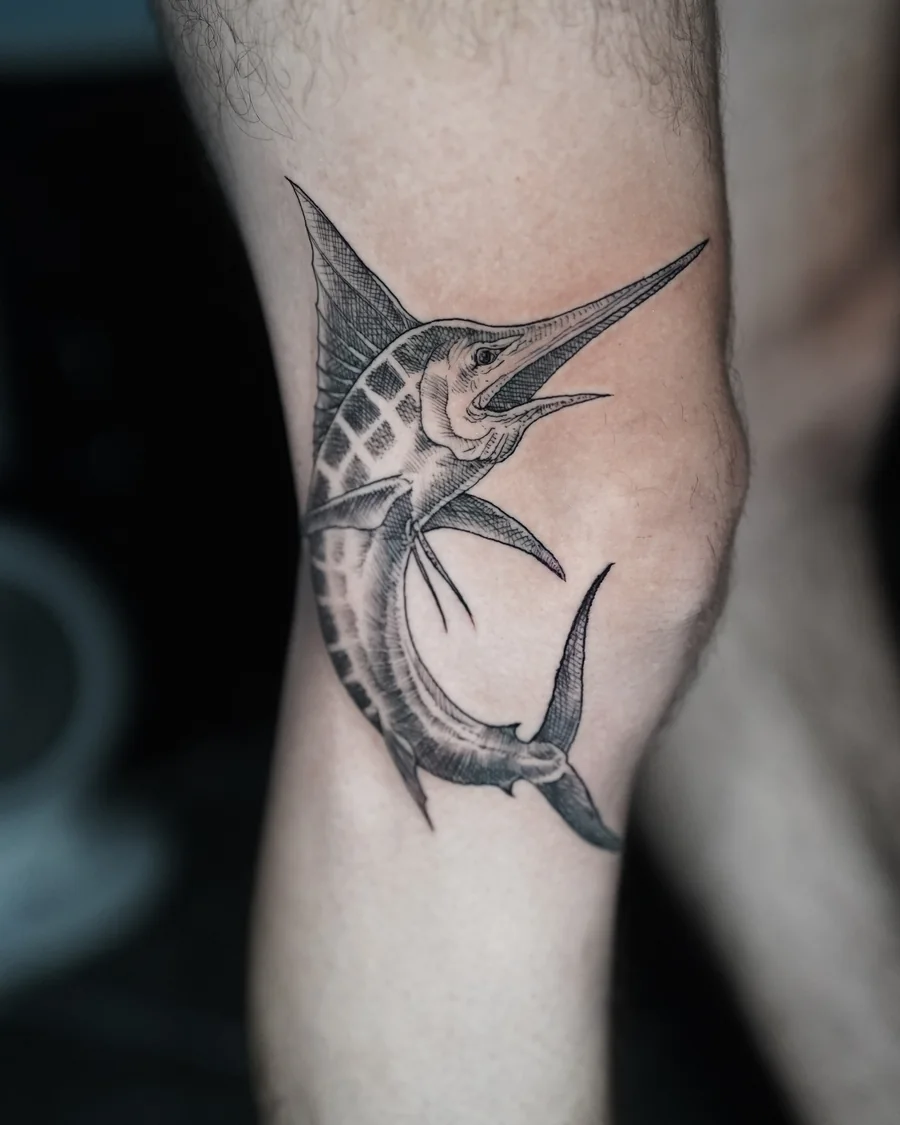
A reference image can answer a very small question. How does a folded wing overlap? Where does a branch divide? Why does a particular arrangement feel calm? None of those questions requires treating a finished tattoo as a diagram to reproduce intact.
The distinction becomes clearer when the reference has a stated purpose. An image used to observe anatomy plays a different role from an image chosen for its exact arrangement, linework and shadows. Visual research is strongest when it helps a new drawing find its own structure instead of quietly borrowing every decision from an existing one.
Different references can do different jobs
Imagine a proposed bird tattoo. A wildlife photograph might clarify the shape of the beak. A botanical drawing might help identify the accompanying plant. A separate color study might suggest a limited palette. The new composition still has to decide how those elements relate and how the image sits on the body.
That is an artistic example, not a legal formula. Combining several sources does not automatically make their use permissible, and tracing only part of a picture does not automatically settle the question either. The point is to describe what the research contributes rather than hide the contribution inside the word “inspiration.”
The source record matters as much as the screenshot
An isolated screenshot can erase the artist, date, collection and conditions attached to an image. Keeping the original page alongside it makes the reference more useful. It preserves information about what the image depicts and gives credit somewhere to remain connected to the work.
Museum collections demonstrate why the individual record matters. The Metropolitan Museum of Art distinguishes unrestricted Open Access images from works subject to copyright or other restrictions. Its Open Access icon identifies eligible images, while unrestricted collection data does not mean every associated image is unrestricted. The Met: image and data resources.
A museum website is therefore a place to research a source, not a blanket permission label. The same care is useful with an artist's website, an archive or a photograph supplied by someone else. Attribution is valuable information, but it should not be confused with an applicable license or permission.
Recognition is an artistic question too
There is a practical difference between recognizing a subject and recognizing another artist's entire design. A rose remains a rose across many drawings. A highly particular arrangement of broken petals, lettering and surrounding shapes may carry the identity of a specific artwork.
From an artistic standpoint, a new design deserves decisions of its own: different relationships, a considered rhythm and a purpose for its details. Simply mirroring a picture or exchanging one small accessory can leave the original composition doing almost all the work. This is a judgment about creative independence, not a percentage test for legality.
Permission and originality deserve separate attention
US copyright has no rule allowing a predetermined percentage of someone else's work to be used automatically. The Copyright Office describes fair use as dependent on the circumstances. Copyright Office fair use FAQ. A claim that “enough was changed” is therefore a poor substitute for understanding the source and the intended use.
The most useful reference conversation can name what matters: the movement of a wing, the openness of the composition, the character of a line. It also leaves room for the new drawing to make choices. That approach respects the source as someone's work and gives the eventual tattoo a reason to exist beyond repeating an image that was already complete.