Tattoo aftercare in Tulsa: William’s daily care guide
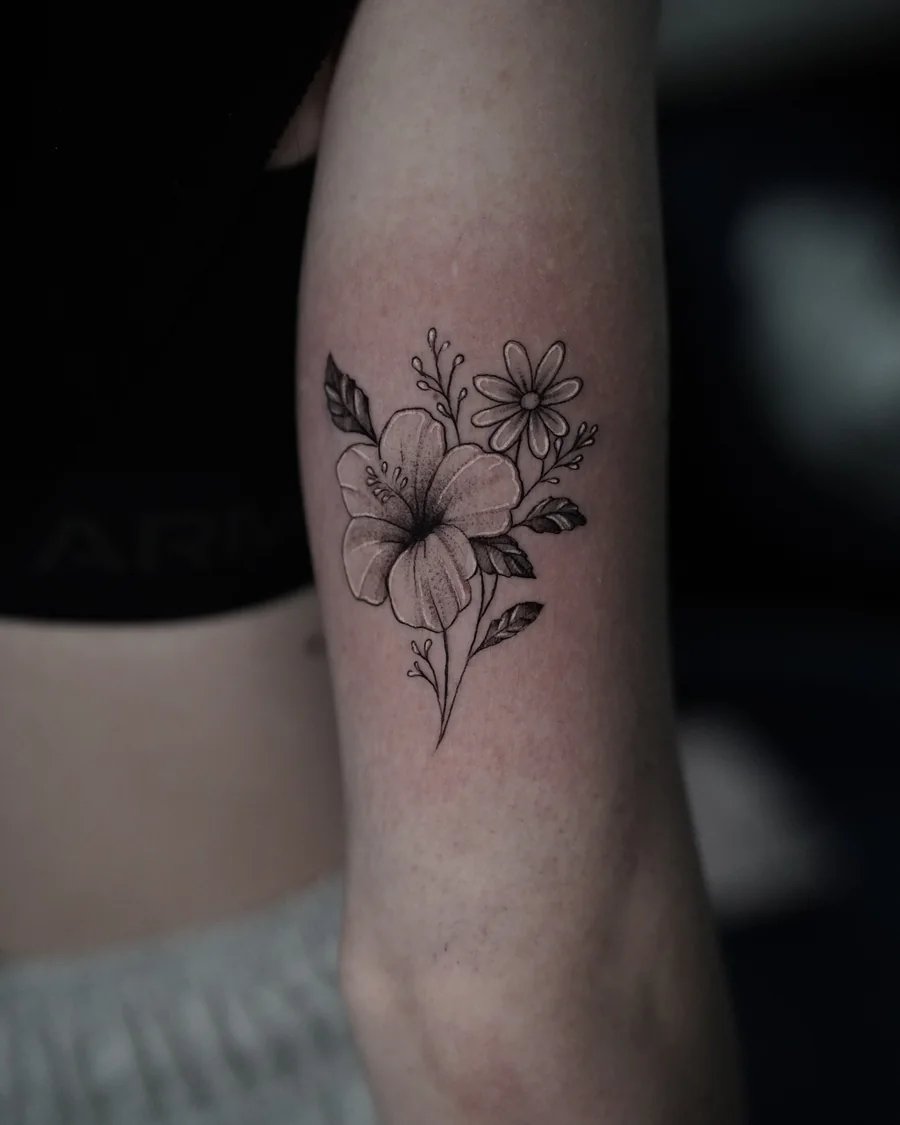
A tattoo appointment ends before the skin has finished healing. My approach to aftercare is simple: clean gently, dry carefully, use very little of the appropriate care product, and avoid leaving the area wet or heavily coated. I recommend staying comfortably cool and keeping the routine easy to repeat.
This guide brings together my practical recommendations as a tattoo artist in Tulsa and the health guidance linked below. Your dressing instructions and any advice from your healthcare professional take priority. The days are checkpoints, not deadlines for your skin.
Day one: understand your dressing before starting
Before leaving, make sure you know which covering you have, when to remove it and what to do if it leaks, loosens or irritates your skin. An adhesive film and a temporary wrap do not necessarily have the same instructions. Ask before combining routines or adding products beneath a dressing.
Once the covering is removed as instructed, handle the tattoo only with freshly washed hands. Oklahoma’s health department emphasizes gentle cleaning, thin application of the recommended product and written aftercare instructions. Its handout dates from 2007; its timetable should not override instructions for a modern adhesive dressing. Oklahoma State Department of Health: tattoo aftercare.
Every morning and evening: wash, pat dry, moisturize lightly
Once your dressing routine allows washing, my usual recommendation is twice daily. Use lukewarm water and a gentle, fragrance-free cleanser, rinse carefully, and pat dry with a clean disposable paper towel. Do not scrub. Apply a thin layer of the suitable moisturizer or ointment recommended for your skin and dressing. Cleveland Clinic supports twice-daily gentle washing and moisturizing. Cleveland Clinic: tattoo aftercare.
After a shower, let remaining surface moisture evaporate before applying the product. You do not need to follow an arbitrary one-hour drying rule. The aim is a dry surface for application, not skin left painfully tight. If the shower includes your gentle wash, there is no reason to build a second wash into the routine simply because an hour has passed.
Aquaphor: my preference, with an important qualification
Aquaphor is a product I recommend, with the emphasis on a very thin application rather than a thick, greasy coat. That preference is not a claim that every skin type needs it or that more ointment means better healing.
Aquaphor Healing Ointment contains 41% petrolatum and includes lanolin alcohol. Its label warns against use on deep or puncture wounds and says to stop and ask a doctor if the condition worsens. It does not establish a tattoo-specific treatment schedule. Check your actual packaging and known ingredient allergies. Aquaphor labeling on DailyMed.
Clinical recommendations differ: Cleveland Clinic advises avoiding petroleum jelly on healing tattoos. Before using Aquaphor on a fresh tattoo, clarify its suitability with a pharmacist or clinician rather than assuming the brand overrides that advice. If they recommend a fragrance-free alternative, follow that guidance. Aquaphor is not an antibiotic or an infection treatment; the manufacturer describes this product as an antibiotic-free skin protectant for minor wounds. Manufacturer product information.
Days two through seven: check changes, not just the calendar
Keep the morning and evening routine consistent. My practical preference is a comfortable, cool setting and no heavy buildup of care product. Comfortable does not mean refrigerated, and drying does not mean deliberately dehydrating the skin.
Healing involves inflammation, tissue repair and remodeling; a scab can be part of that process. Scabbing is not proof that you failed to moisturize. Avoid picking, and do not try to remove a scab by scrubbing or adding more product. Health conditions and some medicines can affect healing, so a day-by-day guide cannot predict everyone’s progress. MedlinePlus: how wounds heal.
Week two and beyond: let peeling finish naturally
Flaking and some itching can occur as the tattoo heals. Keep care gentle; do not scratch or pull loose skin. Avoid soaking, swimming and tight clothing while healing. Use clothing and shade for sun protection; do not apply sunscreen to an unhealed tattoo. Cleveland Clinic: healing precautions.
Once healed, protect your work with broad-spectrum, water-resistant SPF 30 or higher when exposed to the sun. The American Academy of Dermatology also recommends a water-based cream or lotion if tattooed skin feels dry. AAD: caring for tattooed skin.
When to contact a healthcare professional
Seek prompt medical advice for increasing pain, spreading redness, red streaks, fever, hot skin or concerning drainage or odor. Do not wait for the next aftercare stage or cover worsening symptoms with extra ointment. Cleveland Clinic: warning signs.
For routine questions, tell me when the tattoo was done, which dressing and products you used, and what changed. I can clarify my instructions; an infection or allergic reaction needs medical assessment.
Planning your next piece? Explore my tattoo portfolio or tell me your tattoo idea.