Route 66 and Tulsa tattoo culture: a real connection without an invented legend
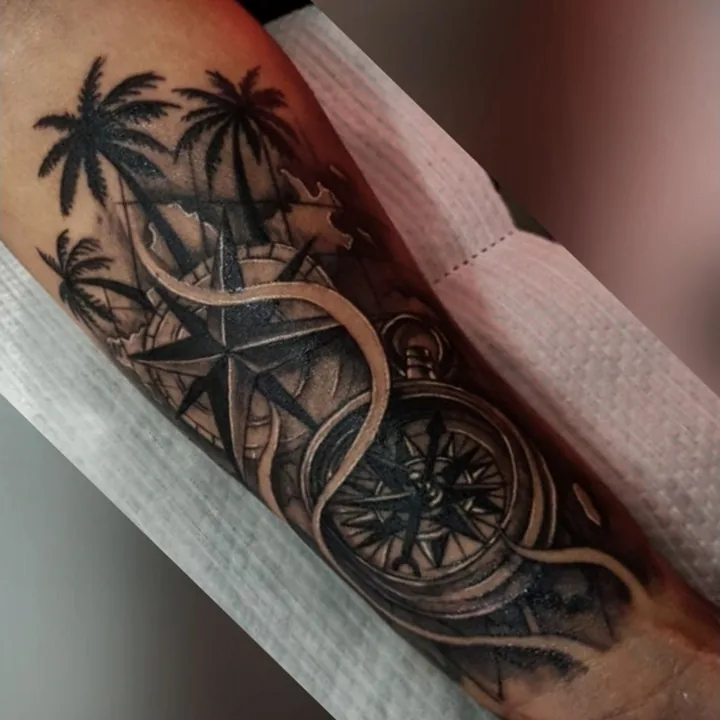
Route 66 is a road, a travel memory and a recognizable visual language. In Tulsa, it is also a working urban corridor. Its relationship with tattoo culture can be discussed through actual places and images without inventing a story in which the highway created a distinct tattoo movement.
The documented connection is already interesting. Tulsa helped shape the road's history, and tattoo businesses have chosen locations along it. Between those facts lies a useful question: how does a place become part of the images people want to carry?
Tulsa's role in the road
The Federal Highway Administration identifies Tulsa businessman Cyrus Avery as a central promoter of Route 66, working with John Woodruff of Springfield, Missouri. Its history describes a route connecting communities and commerce between Chicago and Los Angeles, followed by the growth of roadside businesses. FHWA: The Mother Road.
Tulsa's municipal Route 66 page identifies 28 miles within the city and documents contemporary preservation efforts, including programs for signs and building facades. These sources establish a local history and a continuing built environment; neither claims that Tulsa invented a particular tattoo style. City of Tulsa: Route 66.
A tattoo business on the corridor
Anchor & Rose Tattoo Co.'s own website states that it was established in November 2015 and is located on Route 66 in Tulsa. That supplies a concrete business example rather than an assumed connection based only on road-trip symbolism. Anchor & Rose's official website.
The example establishes presence, not priority or a recommendation. It does not prove which studio was first on the road, how many travelers receive tattoos there or whether every artist working nearby shares a visual approach. Those would be different claims requiring different evidence.
Roadside images invite interpretation
A route shield, a neon sign or the shape of a remembered building can work as a visual reference. Their appeal may come from recognition, but it can also come from a private association: a family journey, a workplace or a stretch of street connected with a particular period of life.
Turning that reference into a tattoo raises artistic questions. Is the recognizable outline the important part, or is it the lettering? Does the image need its full surrounding scene, or would a single detail carry the memory more clearly? These are possibilities for interpretation, not evidence that any particular Tulsa client has chosen such a design.
The distinction between inspiration and reproduction also matters. A photograph of a sign can help someone notice its structure without making every detail necessary in a new composition. Attention to the reference can lead toward a more personal image, rather than a collage of familiar roadside symbols.
Culture grows through people, not just branding
A historic corridor can give businesses a shared location while their work remains very different. Artists, clients and individual decisions create those differences. A Route 66 address is geographical information; it is not a certificate of artistic quality or membership in one style.
For anyone exploring tattoos in Tulsa, the road provides a meaningful local context worth learning about on its own terms. Its documented history can deepen a visual reference without requiring a romantic origin myth. The most convincing connection between the highway and a tattoo begins with a real place or memory, then gives that reference a thoughtful form.