Hourly rate or project price: how a tattoo takes shape
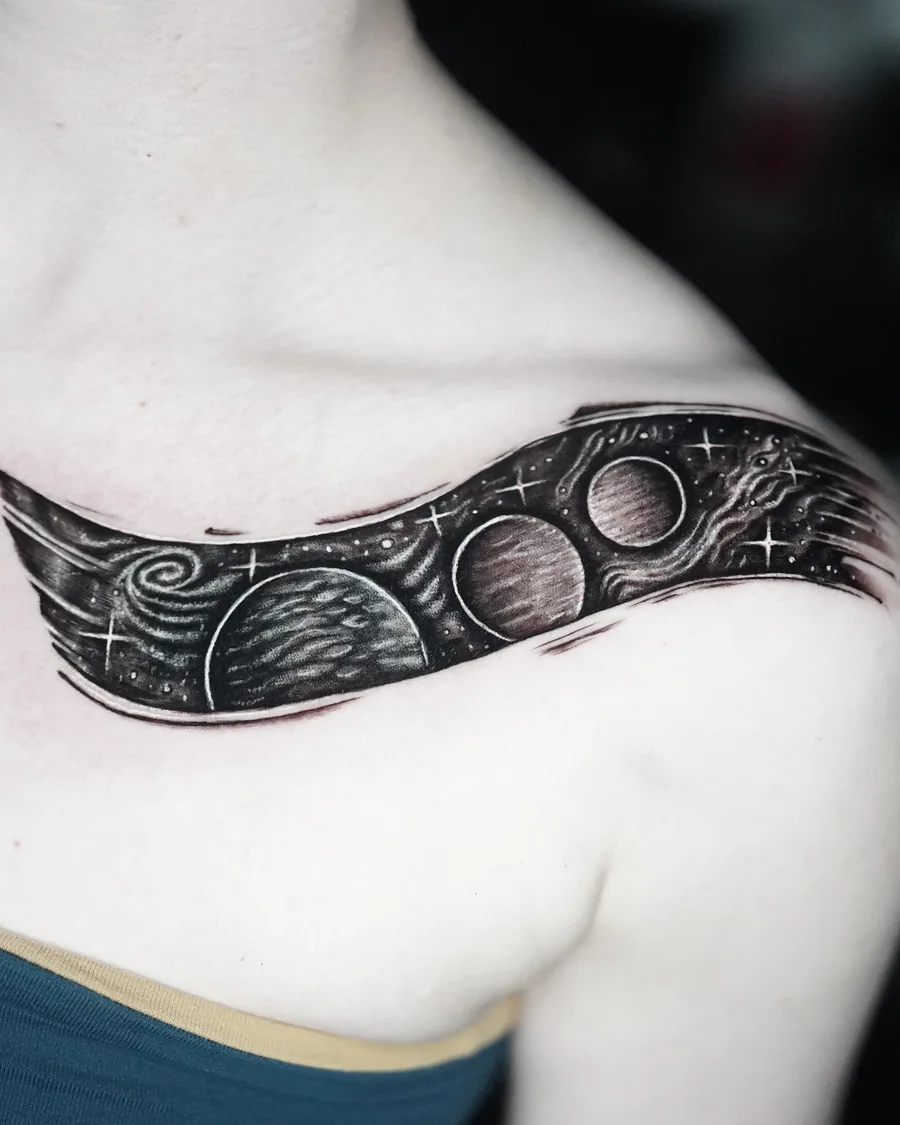
A tattoo can have a clear visual destination before every part of the journey is known. A compact flower might be a complete composition from the beginning. A sleeve can develop across several connected areas, with decisions that become clearer as the work progresses. That difference helps explain why tattoo pricing conversations sometimes use an hourly rate and sometimes use a price for a defined project.
Neither label tells the whole story. An hourly figure describes a unit of time. A project quote describes an agreed piece of work. Understanding what each includes makes the numbers meaningful, without treating one arrangement as automatically better.
Two ways of describing the same work
Under an hourly arrangement, the total depends on the rate and the time counted under that agreement. An estimate can help establish a likely range, but it is different from a fixed total. The relevant details include which parts of the process are counted and how additional sessions are handled. Different artists can structure those details differently.
A project quote puts a price around a defined scope. That scope might include a particular composition, placement and scale. If the project changes substantially, the original quote may no longer describe the work being requested. A fixed figure becomes useful when both people understand what it covers.
The useful comparison is therefore between complete agreements. A rate without an explanation of the time being counted is incomplete information; a project figure without a description of the piece leaves a similar gap.
A composition has boundaries
Consider the Celestial Ornament tattoo. Its dark band follows the collarbone, with circular celestial forms and sweeping lines arranged inside a narrow, curved space. The ends and the surrounding open skin are part of its shape. Extending that piece across another area would change the composition, rather than simply add more of the same image.
That is a useful way to think about scope. A tattoo's boundaries include its relationship to the body, its principal elements and the space those elements need. “Make it a little larger” can leave those relationships intact. “Carry it onto the shoulder and add another subject” can create a different project.
The photograph does not reveal how long this tattoo took or how it was priced. It shows why a description of the actual design matters more than an isolated number.
Where uncertainty enters a larger project
An extended piece can include areas with different visual jobs: a focal subject, a quieter transition and a background that connects existing work. A cover-up adds another consideration because the new composition must respond to marks already present. Those differences can make a broad project harder to reduce to a single early estimate.
That does not make uncertainty a reason for vague communication. An estimate should remain distinguishable from a confirmed price, and a change in scope should be recognizable as a change. A clear written description helps both people return to the same understanding as the design develops.
A deposit describes a separate part of the agreement
A deposit may reserve time, contribute toward the eventual total, or be governed by conditions specific to that artist. The word itself does not tell you which arrangement applies. Before paying, the written terms should make clear whether the amount is credited toward the tattoo, what happens if the appointment moves, and what cancellation or design changes mean for it. Those are questions about the particular agreement, not rules that can be inferred from an hourly rate. William's deposit terms are not stated here because no current policy has been confirmed for this article.
Comparing figures without comparing unlike projects
A lower hourly rate does not, by itself, establish a lower final cost. A larger project quote does not establish better artwork. The figures only become comparable when the proposed pieces and the terms describe reasonably similar work. Speed alone is also a poor substitute for looking at the result.
The portfolio provides the other half of that conversation: composition, detail, color and the way an image occupies a particular body area. Pricing explains the agreement around that work. It cannot replace the work as evidence of artistic fit.
For someone considering a tattoo in Tulsa, the useful question is what a figure represents. A clear answer connects money to a defined piece of art, while leaving room to recognize when the project itself has changed.