Sun protection for healed tattoos is skin protection first
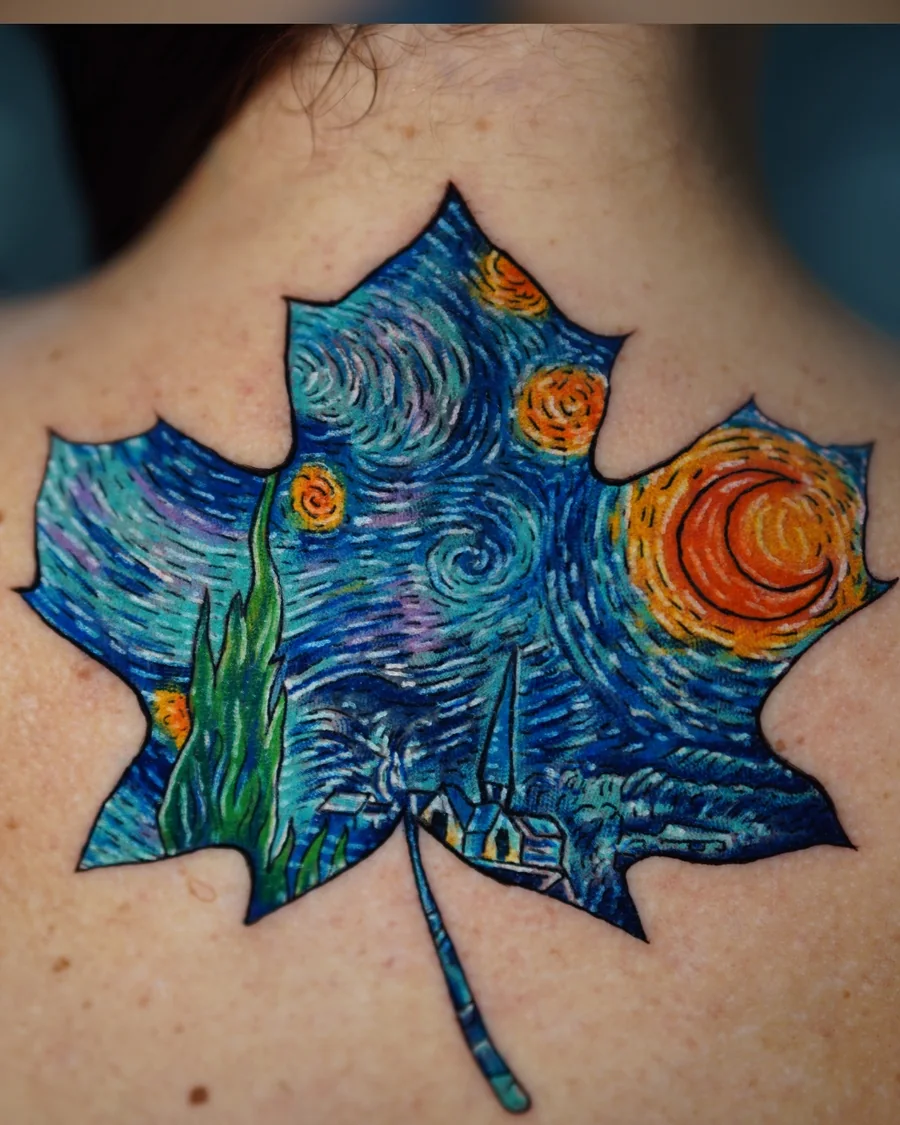
A tattoo can make sun protection feel like an effort to preserve a picture. The skin carrying that picture matters at least as much. Thinking only about visible fading can make it easy to overlook exposure on untattooed areas or to assume a bold tattoo needs a special category of protection.
This article concerns healed skin. A fresh tattoo needs its own aftercare instructions; applying a sunscreen routine to an open or healing area is not the same question. For healed work, the basic decisions involve coverage, the product label and how protection fits the day.
UV exposure affects more than appearance
The American Academy of Dermatology explains that ultraviolet light can fade some tattoo inks. It also advises avoiding tanning beds and sunlamps, which can damage skin and may cause reactions in tattooed areas. A tattoo is not a reason to seek a controlled tan as an alternative to outdoor exposure. AAD: caring for tattooed skin.
That makes protection an ordinary habit rather than a rescue measure after the artwork looks different. A sleeve, a small ankle tattoo and a large back piece may be exposed in different situations, but their visibility in a photograph is not a measure of how much protection the surrounding skin needs.
Read the functions on the label
AAD recommends broad-spectrum sunscreen with SPF 30 or higher and water resistance. Broad spectrum refers to protection against both UVA and UVB. Water resistance is limited: a product is labeled for either 40 or 80 minutes under the relevant conditions. It does not mean the sunscreen remains effective indefinitely on wet or sweaty skin. AAD: how to select sunscreen.
These are separate features. A high SPF number does not explain whether a product is water resistant, and a water-resistance claim does not tell you that it offers broad-spectrum coverage. Read them together instead of treating the largest number on the package as the entire answer.
Application is part of the protection
AAD advises applying sunscreen before going outdoors and reapplying about every two hours while outside, as well as after swimming or sweating. Missed areas and too little product can leave skin less protected than expected. Its application guidance includes commonly overlooked sites such as ears, feet and the back of the neck. AAD: how to apply sunscreen.
Think about the actual activity. A morning application followed by an afternoon outdoors is a different situation from a brief walk. Carrying the product where it can be used again is a practical part of following its directions; owning it at home does not make it available during a long day out.
Use more than one way to reduce exposure
Shade and protective clothing complement sunscreen. AAD recommends these together, including long sleeves, pants and a wide-brimmed hat where appropriate. Its guidance also makes clear that sunscreen is not permission to stay in the sun without limits. AAD: sunscreen questions and answers.
The goal is a routine that covers all exposed skin and still works when plans change. Protecting a healed tattoo can be the reminder that starts the habit. It should not be the boundary where the habit stops.