Tattoo copyright: the drawing, the photograph and the agreement
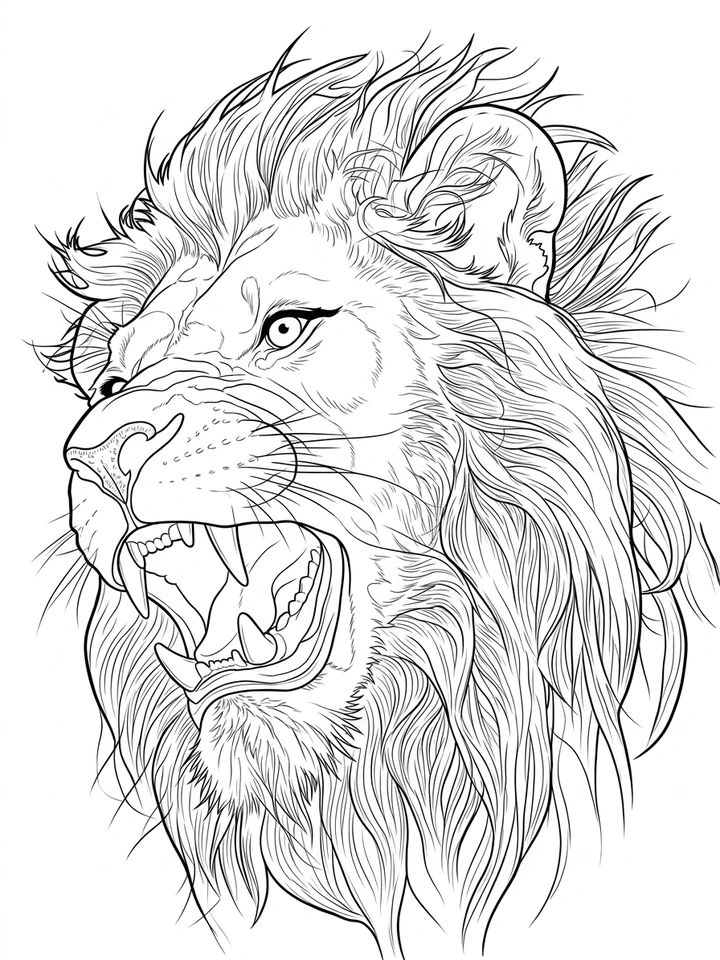
A tattoo can begin as a drawing, become an image on skin and later appear in a photograph. Those stages belong to the same creative story, but they do not make every question about permission identical. The useful starting point is to identify the particular work and the particular use being discussed.
US copyright protects qualifying original visual expression. It does not mean that every mark is protected, that payment automatically transfers every right or that an artist owns the person wearing the work. A sensible discussion keeps creative rights, a person's body and permission to publish photographs separate.
Original expression is more specific than a subject
The US Copyright Office explains that original visual works must be independently created and sufficiently creative. Protection begins when qualifying expression is fixed, including in a drawing or digital artwork. Very simple designs and common symbols may fall outside that protection. Registration has additional legal benefits, but it is not the event that first creates copyright. These are general principles, not a ruling on a particular tattoo. US Copyright Office: visual and graphic artists.
Consider a hypothetical drawing of a moth surrounded by leaves. The conversation is not usefully reduced to who owns moths as a subject. What matters is the particular expression: the drawing, arrangement and other creative decisions. Two people can be interested in the same animal without intending to reproduce the same picture.
A commission does not answer every ownership question
Federal law generally places initial copyright with the author, with provisions for joint works and works made for hire. It also distinguishes copyright from ownership of the material object containing a work. Transfers of copyright ownership generally require a signed writing, apart from transfers by operation of law. A specific agreement and the circumstances therefore matter. Copyright Act, Sections 201, 202 and 204.
For a tattoo commission, it would be a mistake to turn those general rules into a confident announcement that either party always holds every right. Receiving a drawing, paying for a service, obtaining a license and receiving a transfer of copyright describe different things. A disputed agreement needs individual legal interpretation; a portfolio caption cannot supply it.
The photograph is another creative work
A photograph can have its own copyright, generally beginning with its photographer, subject to exceptions such as qualifying works made for hire. That is a different authorship question from who created the artwork visible in the image. The Copyright Office discusses those photographic rights separately. US Copyright Office: photographers.
This distinction helps explain why possession of an image file is not a complete answer to a request to reuse it. A photograph of a tattoo may involve the drawing, the photograph and the person depicted. Permission for one purpose should not be treated casually as permission for every future advertisement, merchandise product or unrelated publication.
Clear intended uses make the conversation better
The practical question is precise: which image, used by whom, in what setting? Portfolio display, a personal social post and commercial reproduction are different requests. Recording the agreed use makes a much better reference than relying on an assumption about what everyone must have meant.
Fair use also cannot be reduced to changing a fixed percentage of someone else's design. The Copyright Office says there is no percentage rule; the circumstances matter. Copyright Office fair use FAQ. Respect for original work begins with identifying it accurately and discussing its use clearly, rather than pretending that one slogan resolves every tattoo and every agreement.