Oklahoma’s tattoo ban: how prohibition gave way to regulation
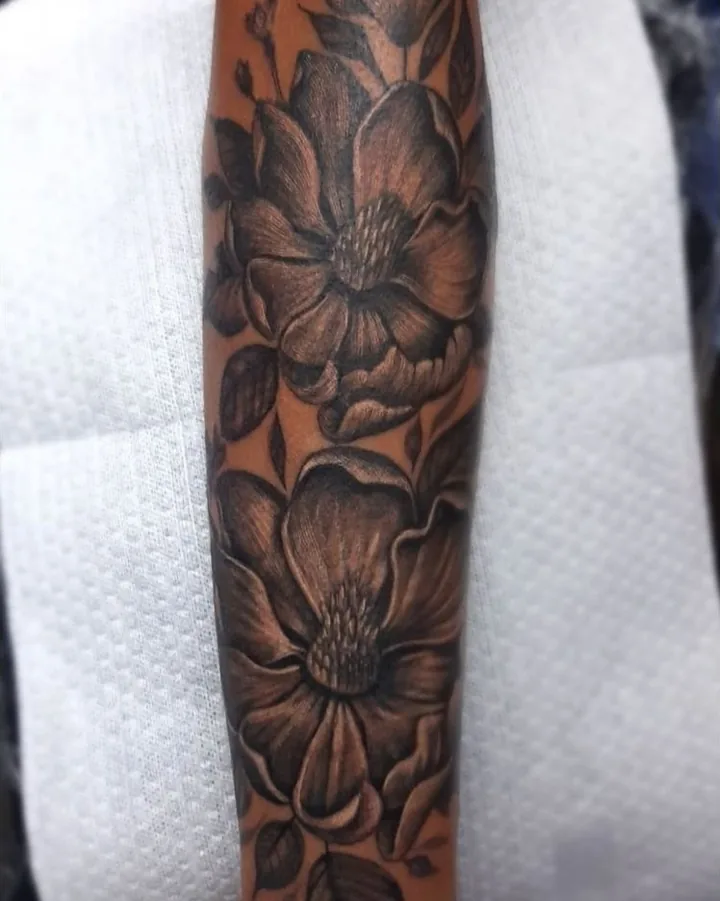
Oklahoma's tattoo ban is often retold as a colorful anecdote. The stronger historical story is an argument about what government should do when a prohibited activity continues to exist. By the middle of the 2000s, supporters of legalization were making their case through licensing, inspection and public-health oversight.
A contemporary Associated Press report described the prohibition as dating to 1963. Published the day after the governor signed the replacement framework, it also described earlier efforts to change the law. That establishes a reported chronology without relying on the familiar, unverified story about a governor's daughter. The Edmond Sun, May 11, 2006.
An argument about oversight
On March 16, 2005, the Oklahoma Senate announced that Senate Bill 806 had passed that chamber by 30 votes to 15. Senator Frank Shurden presented regulation as a response to tattooing already taking place, rather than an endorsement everyone had to share. The proposal would give the Health Department authority over licensing and inspections. Oklahoma Senate's 2005 announcement.
The date is important: Senate passage was a stage in the process, not the date tattooing became lawful under the eventual framework. A bill can move through several versions and votes before becoming an effective law. Treating every announcement as final obscures the work between proposal and implementation.
The source also preserves how an advocate framed the issue. It is evidence of that public argument; it does not, on its own, measure whether the later policy achieved every outcome its supporters hoped for.
The change adopted in 2006
The governor signed the legislation on May 10, 2006, with an effective date of November 1. The Senate's signing announcement emphasized Health Department oversight and retained a prohibition on tattooing people younger than eighteen. Legalization therefore meant regulated access, rather than the disappearance of all limits. Oklahoma Senate's signing announcement.
The original legislative summary records additional requirements concerning equipment, licensing, local authority and business locations. Those provisions show how extensively lawmakers initially structured the new system. They are historical evidence, not a current compliance checklist. 2006 legislative summary, page 32.
What prohibition leaves difficult to count
An official prohibition and the absence of tattooing are different propositions. A law tells us what was permitted; reconstructing what people actually did requires other records. Arrest accounts, interviews and photographs can offer evidence, but none automatically supplies a reliable statewide total.
That distinction matters when discussing Tulsa's past. It prevents the mistake of treating the licensing date as the birth of the art, while also avoiding unsupported estimates of how many artists worked before legalization. Both confident extremes can erase the uncertainty in the record.
History and current rules answer different questions
The history explains why a licensed profession emerged from prohibition. Current practice requires current sources. Oklahoma's Health Department maintains the operational information for tattoo and body-piercing licensing, including links to rules and statutes. OSDH licensing information.
Keeping those questions separate allows the history to remain useful as rules evolve. The lasting significance of 2006 is the state's change in approach: tattooing became an activity to license and oversee, with responsibilities for businesses and artists that could be stated openly and administered through a regulatory system.