What an Oklahoma Tattoo Artist License Actually Covers
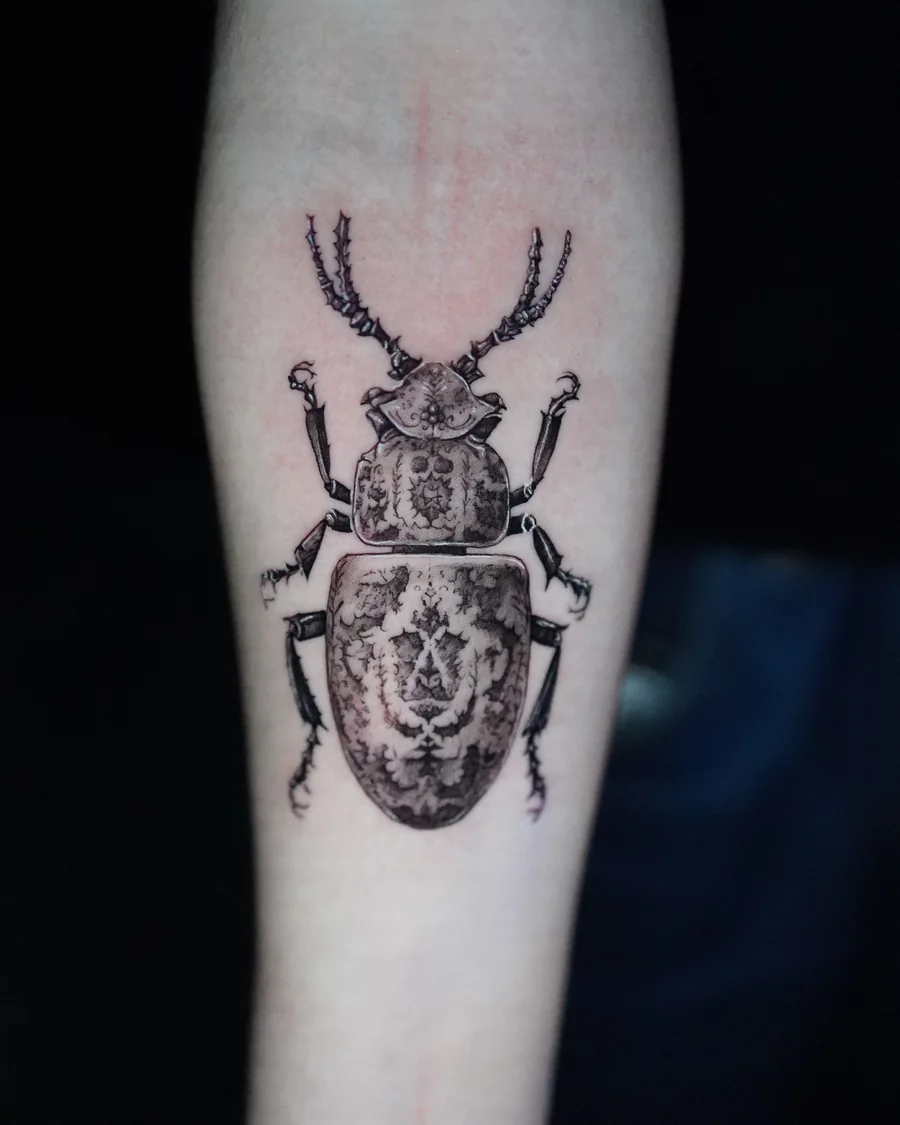
A tattoo artist's license and a tattoo studio's license answer different questions. One concerns the person performing the procedure; the other concerns the establishment in which it takes place. For someone choosing a tattoo artist in Tulsa, treating those as interchangeable can hide an important gap.
Oklahoma's body-piercing and tattoo program administers separate licensing categories. An impressive shop name does not stand in for the individual artist's authorization, and an experienced artist's credentials do not automatically authorize an unlicensed location.
The person has to qualify
Under OAC 310:233-9-4.1, an artist applicant must provide the required identity and application information, qualifying training or experience, and current bloodborne-pathogen, first-aid and CPR credentials. The minimum age is eighteen.
The application routes recognize approved training and qualifying prior licensure. OSDH's guidance describes its approved apprenticeship pathway and the alternative involving documented government-issued licensure from another jurisdiction. Having watched instructional videos or worked informally is not the same as having the required evidence accepted by the state.
Testing is another distinct part of the process. The rules describe a seventy-percent passing requirement for the applicable examination. A license therefore represents a regulatory threshold; it is not a ranking of artists by drawing ability, style or suitability for a particular project.
The place needs authorization too
The general requirements in section 310:233-1-3 require procedures to take place within the authorized establishment or event framework. The establishment license belongs to a specific operation and location, rather than functioning as a portable permission slip for any room an artist chooses.
This distinction matters with guest appearances, conventions and a studio move. The question is not merely whether an artist has been licensed somewhere. It is whether that artist and that setting have the authorization Oklahoma requires for the work being offered there.
Renewal is part of the credential
Chapter 233 provides for annual licenses and visible display. The relevant question is current status, not whether an artist once obtained a certificate. Required credentials and renewal obligations continue after the first application.
If the name on a displayed license is unclear, ask who will actually perform the tattoo. When verification is necessary, use the OSDH licensing contact and portal rather than relying on a social-media biography or an old photograph of a document.
A license is a floor, not your whole decision
Regulatory eligibility does not establish whether you like an artist's healed work, whether their drawing suits your idea, or whether communication feels clear. Those are separate decisions. A portrait, a cover-up and a color floral composition can demand different artistic strengths even when the same licensing category applies.
The most useful approach is to verify the professional framework, then evaluate the art on its own terms. William Martz's portfolio offers that second conversation: composition, contrast, subject matter and how a design occupies the body. Neither part of the decision should be asked to substitute for the other.