Guest Tattoo Artists in Oklahoma: Why a Visiting Artist Still Needs Authorization
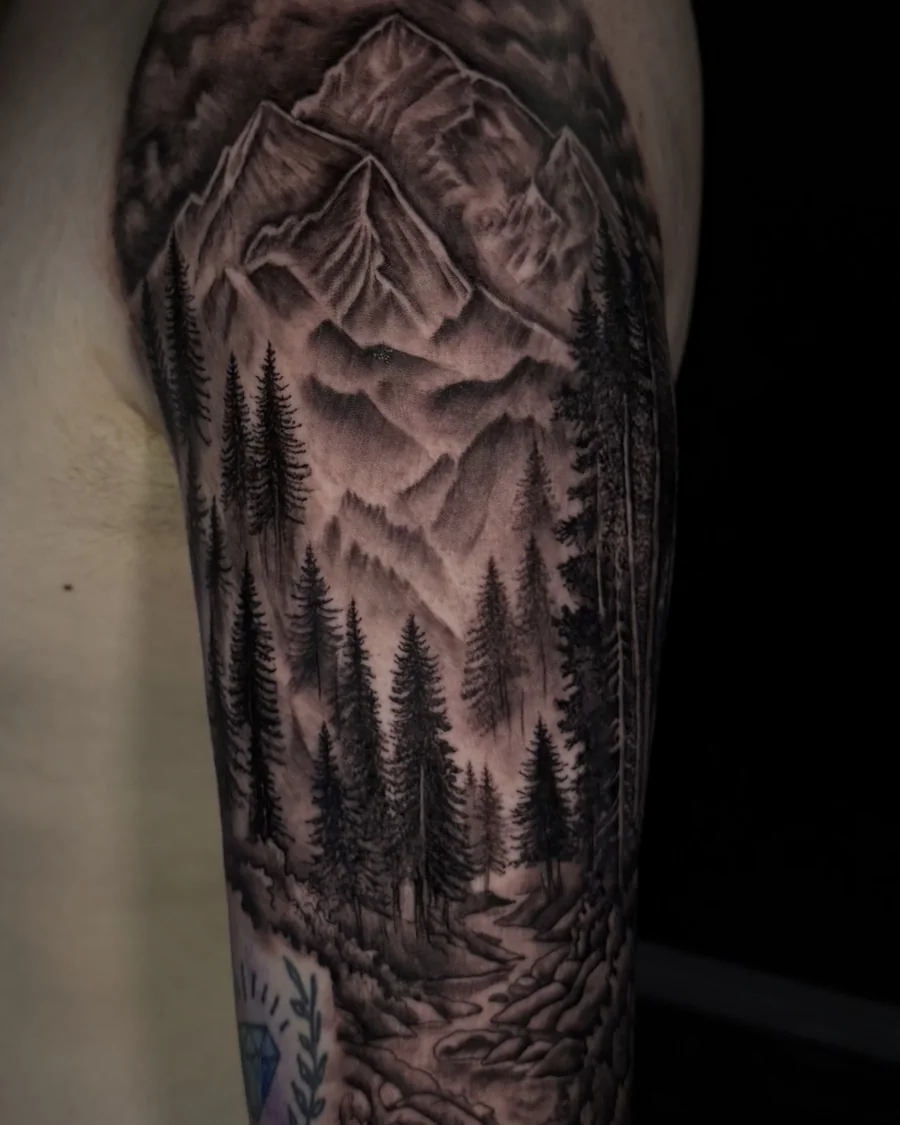
A visiting tattoo artist can bring a distinctive style to Tulsa for a guest spot or convention. The temporary nature of the visit does not remove the licensing question. Oklahoma regulates the artist and the place where the procedure occurs, including when the work lasts only a few days.
An out-of-state credential may support an application. It should not be mistaken for automatic permission to start working in any Oklahoma studio or event space.
Temporary describes a license, not an exemption
The OSDH guide includes a temporary-artist application category with documentation requirements. Chapter 233 addresses the experience, training and credentials that accompany that application. A social-media announcement that an artist is “coming through town” does not establish that the state has approved the work.
The fee and duration provisions in section 310:233-9-5.1 distinguish a temporary artist license from a regular annual license. They limit that temporary authorization to no more than seven consecutive days and thirty days in a calendar year. Those are artist-license limits, not a general statement that every tattoo convention can operate for seven days.
The event has a separate approval
Oklahoma also regulates temporary establishments and events. The event provisions address the application, the location, sanitation arrangements, participating artists and inspection. Under section 310:233-9-2.1, the application is required at least thirty days before the event.
The event rules have their own operating conditions and duration provisions. Combining the artist-license time limit with the event rules can produce incorrect advice. An organizer needs approval for the actual event being planned; an artist needs the authorization applicable to their own participation.
A guest spot in a studio is still tied to that setting
A licensed establishment provides an authorized setting, but it does not replace the visiting artist's own licensing obligations. Conversely, a properly authorized artist cannot turn an unrelated room into an approved tattoo establishment simply by bringing equipment there.
That is the useful two-part question for clients: is the artist authorized for this work, and is this the approved location or event? It is more precise than asking only whether someone is licensed “back home.”
Good planning keeps the art at the center
A limited guest appearance can create pressure to book quickly. That is a reason to make the practical facts clear early, not to skip them. The artist's name, location, dates and status should be understandable before a client commits to the session.
For visiting artists, checking the current OSDH process before announcing bookable dates avoids treating the application as a formality that can be resolved afterward. Processing and approval are separate from an intention to apply.
Tulsa benefits from artistic exchange, but a guest spot is still professional tattooing. Clear authorization makes that exchange easier to understand and leaves clients free to focus on the work: the design, its placement and whether the visiting artist's approach fits the piece they want to carry.